Vienna Travel Guide 2026
Vienna is the most elegant city in Europe. It is the city of Mozart and Beethoven, of imperial palaces and coffee houses where people sit for hours with one cup of coffee and a newspaper. Vienna has the most beautiful palaces in Europe, the best classical music in the world, and cakes that people travel across the world to taste. It is clean, safe, and easy to walk around, and the public transport is the best in Europe. Vienna is not cheap, but it is not expensive either — and it is one of the most liveable cities on Earth. This guide explains everything a first-time visitor needs in easy English: what to see, where to stay, how much it costs, and how to plan a perfect 3-day trip to Vienna.
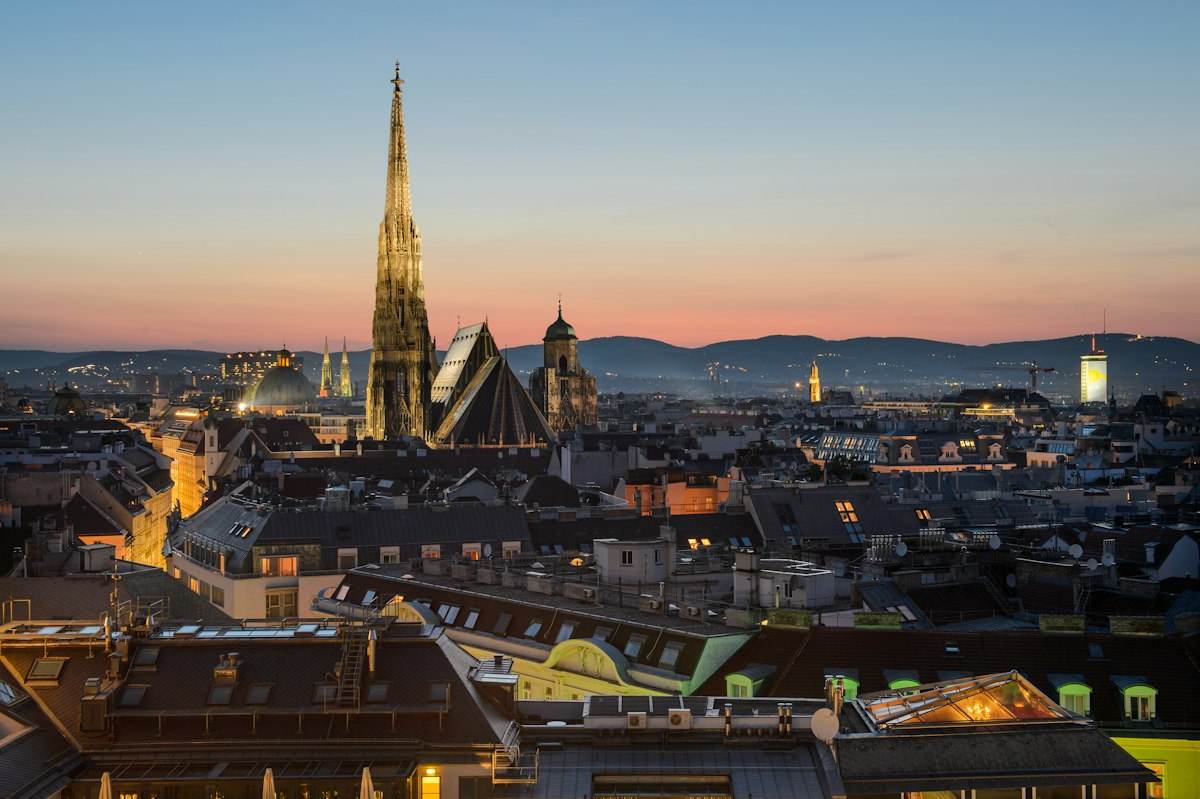
Vienna — Schönbrunn Palace, the summer home of the Habsburgs.
TL;DR — The Short Version
Best time to visit: April–June and September–October — mild weather, long days, and the city at its best. December is magical for the Christmas markets.
Budget: about $110–$170 per day for a mid-range trip.
Must-see: Schönbrunn Palace, the Hofburg, St Stephen's Cathedral, and a coffee house.
Stay: in the Innere Stadt (old town) or near the Naschmarkt.
Tip: buy the Vienna City Card for free public transport and discounts on museums — it pays for itself in a day.
✈ Search Flights to Vienna
You'll search flights on GoFlyLo (flights.goflylo.com), powered by Aviasales — view prices and complete your booking there. If you book, we may earn a commission at no extra cost to you. Read our full Affiliate Disclosure.
🏨 Search Hotels in Vienna
You'll continue to Klook, our hotel and activities partner, and see hotels in your destination — pick your dates, guests, rooms and hotel there, and complete your booking. If you book, we may earn a commission at no extra cost to you. Read our full Affiliate Disclosure.
Why Visit Vienna?
Vienna is the city where Europe's history feels alive. The Habsburgs ruled an empire from here for 600 years, and they left behind palaces, gardens and museums that are still the most beautiful in Europe. Schönbrunn Palace has 1,441 rooms and gardens that stretch for a kilometre.
The Hofburg was the winter palace of the emperors. St Stephen's Cathedral has stood in the centre of the city for 800 years. But Vienna is not only about palaces.
It is about music — Mozart, Beethoven, Strauss and Schubert all lived here, and you can hear world-class concerts every night for as little as €10. It is about coffee houses, where the waiters still wear black and white and the cakes are legendary.
And it is about quality of life: Vienna is regularly voted the most liveable city in the world.
Top Things to Do in Vienna
Schönbrunn Palace: the summer palace of the Habsburgs, with 1,441 rooms and huge gardens. Book the Grand Tour ticket online (€29) and arrive early.
Hofburg Palace: the winter palace, now home to the Imperial Apartments, the Sisi Museum, and the Spanish Riding School.
St Stephen's Cathedral: the symbol of Vienna. Climb the south tower for a view over the whole city.
Belvedere Palace: home to Klimt's The Kiss, the most famous painting in Austria.
Vienna State Opera: one of the best opera houses in the world. Standing tickets cost as little as €10 — queue early.
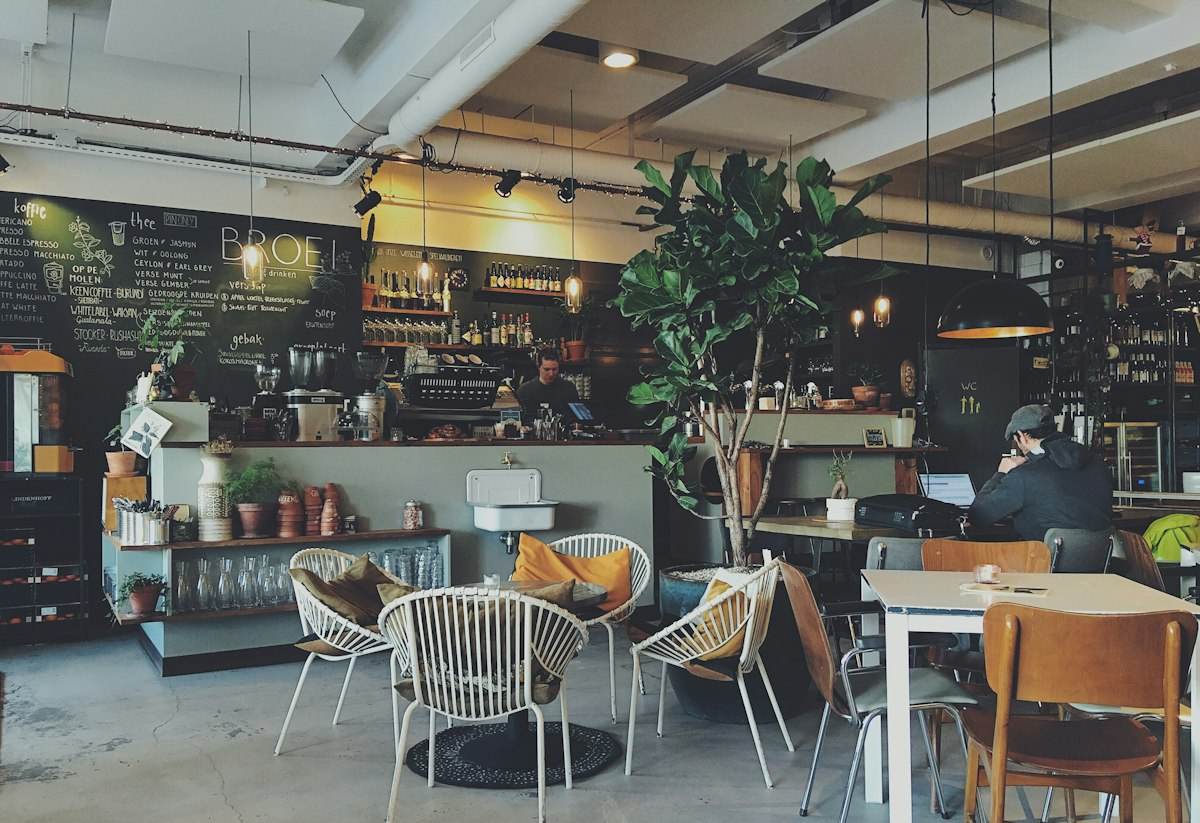
Coffee houses: sit in Café Central or Café Sacher, order a melange (Viennese coffee) and a slice of Sachertorte, and watch the world go by.
Where to Stay in Vienna
The best areas for a first visit are the Innere Stadt (the old town, inside the Ring road — close to everything), and the area around the Naschmarkt (lively, full of restaurants and markets). Budget hostels start from about $30 a night, mid-range hotels cost $100–$170, and luxury hotels near the Ringstrasse start from $250.
Vienna's centre is compact, so almost any hotel inside the Ring is a good choice. Book early for December (Christmas markets) and for the Vienna Ball Season in January and February, when the city fills up.
Avoid the area around the main station (Hauptbahnhof) late at night if you are travelling alone — it is fine during the day but quiet after midnight.
How to Get Around Vienna
Vienna has the best public transport in Europe — the U-Bahn (underground), trams and buses, all clean, on time, and easy to use. A single ticket costs €2.40, a 24-hour ticket costs €8, and a 72-hour ticket costs €17.10.
The Vienna City Card (from €17 for 24 hours) gives you unlimited transport plus discounts on museums and attractions — it pays for itself in a day. The centre is very walkable, and the Ringstrasse is perfect for a walk or a tram ride around the old town.
From Vienna Airport (VIE), the City Airport Train (CAT) takes 16 minutes to the centre and costs €14.90, the S-Bahn takes 25 minutes and costs €4.40, and a taxi costs about €35–€45. Do not drive in Vienna — parking is expensive and the transport is better.
What Does a Trip to Vienna Cost?
| Item | Budget | Mid-range | Luxury |
|---|---|---|---|
| Hotel (per night) | $30–$60 | $100–$170 | $250+ |
| Food (per day) | $25–$40 | $50–$80 | $120+ |
| Transport (per day) | $5 | $10 | $20 |
| Attractions (per day) | $0–$15 | $20–$40 | $60+ |
| Total per day | $60–$120 | $180–$300 | $450+ |
A 3-day mid-range trip costs about $540–$900 per person, not counting flights. You can save money by eating at the Naschmarkt and at Würstelstände (sausage stands), where a meal costs about €5, and by using the Vienna City Card for transport and museum discounts.
Vienna 3-Day Itinerary
Day 1 — The old town: Start at St Stephen's Cathedral, climb the tower for the view, then walk through the old town to the Hofburg Palace. Visit the Imperial Apartments and the Sisi Museum. Afternoon: a coffee house — Café Central is the most famous. Evening: a concert or the opera (standing tickets from €10).
Day 2 — Schönbrunn: Spend the morning at Schönbrunn Palace and its gardens — allow at least 3 hours. Afternoon: the Belvedere Palace and Klimt's The Kiss. Evening: dinner near the Naschmarkt.
Day 3 — Local Vienna: Morning at the Naschmarkt — Vienna's biggest food market. Afternoon: the Prater park and the Giant Ferris Wheel, or the MuseumsQuartier for modern art. Evening: a Heuriger (wine tavern) in Grinzing, the wine village on the edge of the city, for local wine and a view over Vienna.
Plan Your Trip in 5 Steps
Step 1 — Pick your dates: April to June or September to October is best. December is magical for the Christmas markets, but book early.
Step 2 — Book your flights: compare fares on Aviasales and book early. Vienna Airport (VIE) is well connected to the whole world.
Step 3 — Book your hotel: choose the Innere Stadt or near the Naschmarkt, and book early for December and the Ball Season in January and February.
Step 4 — Buy the Vienna City Card: it gives you unlimited public transport plus discounts on museums, palaces and concerts — buy it online before you fly.
Step 5 — Pack and go: bring comfortable walking shoes, a jacket for the evening (Vienna evenings are cool even in summer), and an appetite — the coffee houses and the cakes are waiting.
Best Time to Visit Vienna
Spring (April–June) and autumn (September–October) are the best times to visit Vienna. The weather is mild, the gardens are in bloom, and the city is at its most beautiful. Summer (July–August) is warm and lively, with open-air concerts and festivals, but hotel prices are higher.
Winter (November–February) is cold, with temperatures around 0°C, but December is the most magical month in Vienna — the Christmas markets, the lights, and the smell of mulled wine and roasted chestnuts fill the whole city.
The Vienna Ball Season in January and February is the most elegant party in Europe, with hundreds of balls in the palaces. If you want the lowest prices, January and February are the cheapest months — just bring a warm coat.
Frequently Asked Questions
How many days are enough for Vienna?
Three days is perfect for a first trip — one day for the old town and the Hofburg, one day for Schönbrunn and the Belvedere, and one day for the markets, the Prater, and a Heuriger. Four days lets you add a day trip to the Wachau Valley or to Bratislava.
Is Vienna expensive?
Vienna is mid-priced for Western Europe. A budget traveller can manage on $60–$120 a day, and a mid-range trip costs $180–$300 a day. A sausage from a street stand costs about €5, and a coffee house coffee costs about €4–€5.
Do I need a visa for Vienna?
Vienna is in Austria, which is in the Schengen Area. Citizens of the EU, UK, US, Canada, Australia and many other countries can visit visa-free for up to 90 days. Travellers from Pakistan, India and many other countries need a Schengen visa.
Is Vienna safe for tourists?
Yes, Vienna is one of the safest cities in the world. Pickpocketing is rare, and the city is safe to walk around at night. Use normal common sense, as in any big city.
What is the best area to stay in Vienna?
The Innere Stadt (old town) is best for a first visit — everything is walkable. The area around the Naschmarkt is best for food and markets, and the area near the Belvedere is best for a quiet stay.
What is the Vienna City Card?
It is a tourist card that gives you unlimited public transport plus discounts on museums, palaces, concerts and restaurants. It costs from €17 for 24 hours and pays for itself in a day if you use the transport and visit two attractions.
How do I get from Vienna Airport to the city?
The City Airport Train (CAT) takes 16 minutes and costs €14.90. The S-Bahn takes 25 minutes and costs €4.40. A taxi costs about €35–€45.
What should I eat in Vienna?
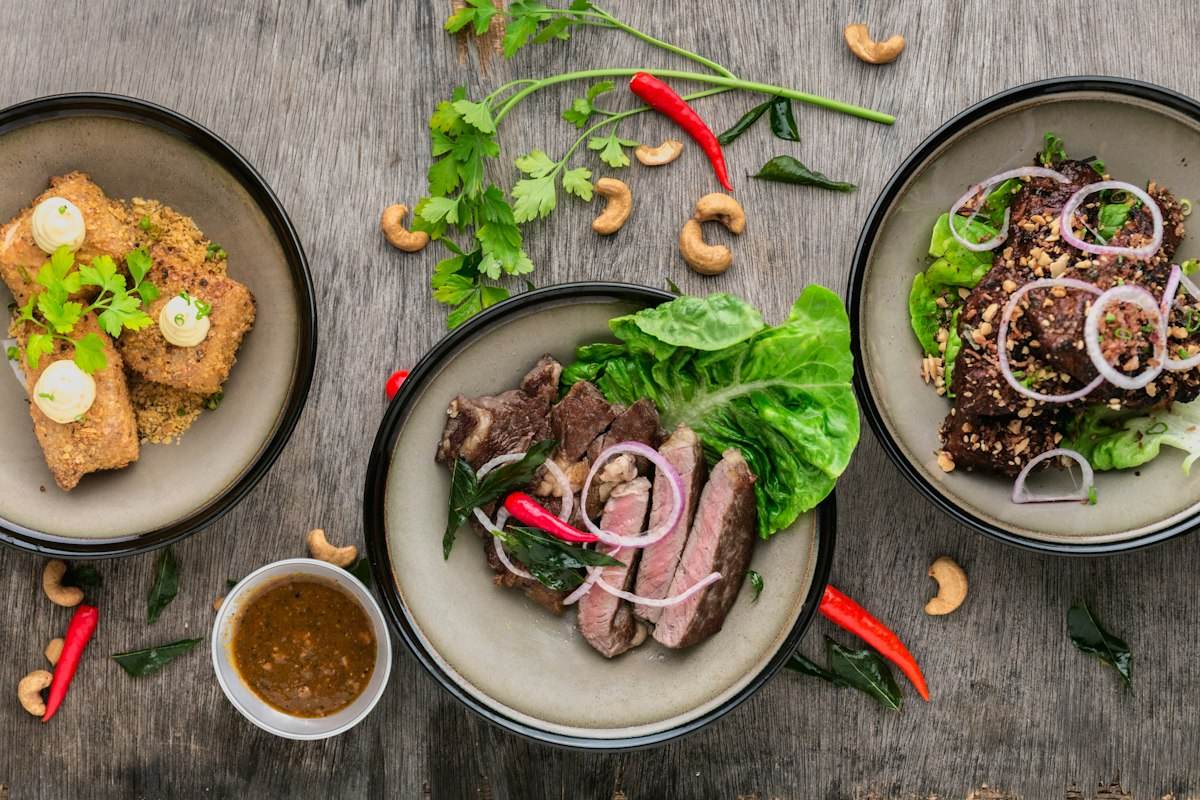
Try Wiener Schnitzel (breaded veal), Sachertorte (chocolate cake), Apfelstrudel (apple strudel), and a melange (Viennese coffee with milk). Eat at a coffee house at least once — it is a UNESCO-listed tradition.
Related Guides
Berlin Travel Guide · Paris Travel Guide · Schengen Visa Guide · How to Find Cheap Flights · Travel Insurance Guide
Affiliate disclosure: GoFlyLo is reader-supported. When you book a flight, hotel, tour or other travel service through links on this page, we may earn a commission from our partners (Aviasales, Klook and other Travelpayouts programs) at no extra cost to you. Prices change often — always check the final price on the booking website before you pay.