London Travel Guide 2026
London is one of the greatest cities in the world — royal palaces, world-famous museums, beautiful parks, and food from every country on Earth. You can see the Crown Jewels in the morning, walk along the Thames in the afternoon, and watch a world-class show in the evening. London is also one of the most expensive cities in Europe, so planning well saves real money. This guide explains when to go, what it costs, where to stay, and the best things to do — in simple English.
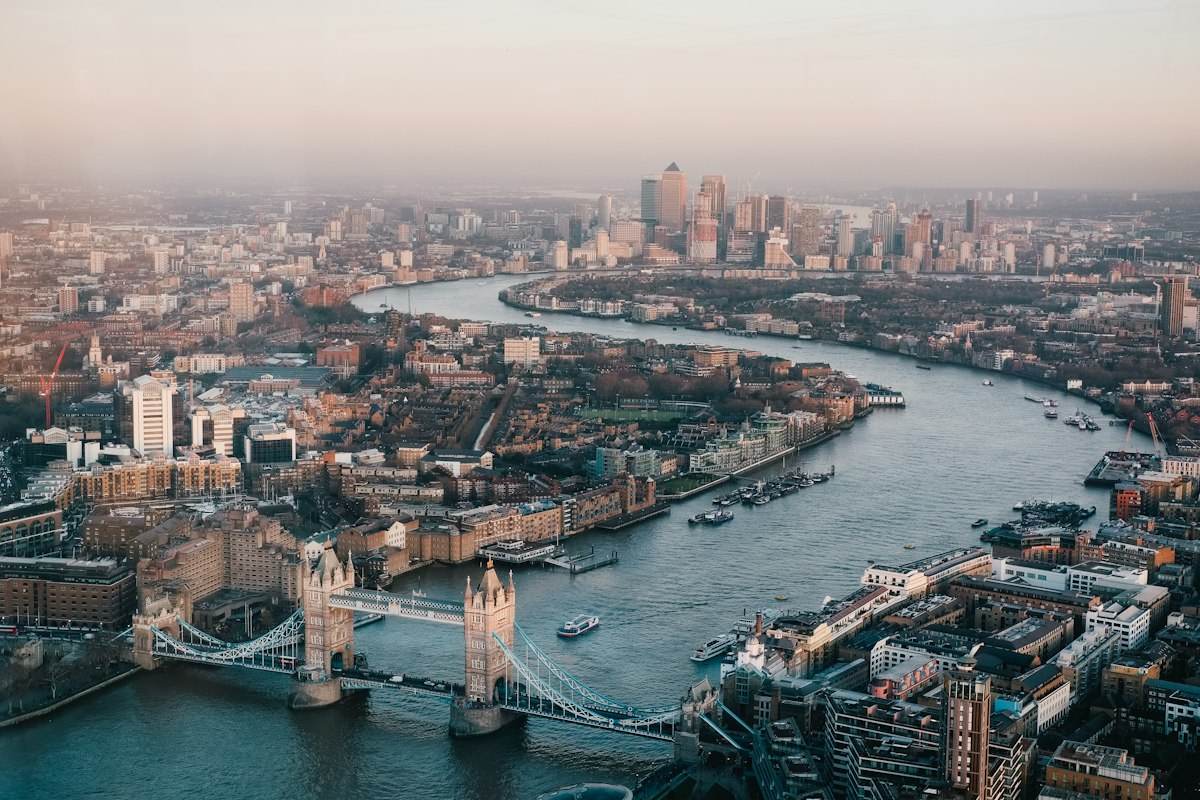
London — palaces, museums and the Thames.
TL;DR — The Short Version
Best time: May to September — the warmest and longest days, but also the busiest.
Budget: from around $120–$180 a day for a mid-range trip — London is pricey.
Stay: Central London (Westminster, Covent Garden, South Bank) for first-timers.
Do not miss: the Tower of London, Buckingham Palace, the British Museum, and a walk along the Thames.
Visa: most visitors need a UK Standard Visitor visa or an ETA — check before you book.
✈ Search Flights to London
You'll search flights on GoFlyLo (flights.goflylo.com), powered by Aviasales — view prices and complete your booking there. If you book, we may earn a commission at no extra cost to you. Read our full Affiliate Disclosure.
🏨 Search Hotels in London
You'll continue to Klook, our hotel and activities partner, and see hotels in your destination — pick your dates, guests, rooms and hotel there, and complete your booking. If you book, we may earn a commission at no extra cost to you. Read our full Affiliate Disclosure.
Best Time to Visit London
The best months are May to September. Days are long — the sun sets after 9pm in June — the parks are green, and outdoor events fill the city. This is also the most expensive and crowded time. October and April are good compromises: cooler weather, fewer tourists, and lower hotel prices.
November to February is cold, dark, and rainy, but hotels are cheapest and the Christmas lights and markets are beautiful. London's weather changes fast in every season, so always carry a light rain jacket.
How to Get to London
Most visitors land at Heathrow (LHR), London's biggest airport. The Elizabeth line train takes you to central London in about 30–40 minutes, and the Tube (Piccadilly line) is cheaper but slower. Gatwick (LGW), Stansted (STN), and Luton (LTN) are used by many low-cost airlines, with trains and buses into the city.
London City (LCY) is the closest airport, but it has fewer flights. Use the flight search above to compare ticket prices from your city.

Where to Stay in London
Westminster and South Bank: the best area for first-timers — Big Ben, the London Eye, and the Thames are all close.
Covent Garden and Soho: best for food, theatres, and nightlife.
Kensington and Notting Hill: calm, pretty streets with good hotels and parks.
Shoreditch: trendy and young, with street art, markets, and cafes. Budget hostels start from around $40 a night, mid-range hotels from around $120–$180, and luxury hotels from around $300. Book early — London hotels sell out fast in summer. Compare prices with the hotel search above.
Top Things to Do in London
Tower of London: see the Crown Jewels and 1,000 years of history — book tickets online to skip the line.
Buckingham Palace: watch the Changing of the Guard, and visit the State Rooms in summer when they open.
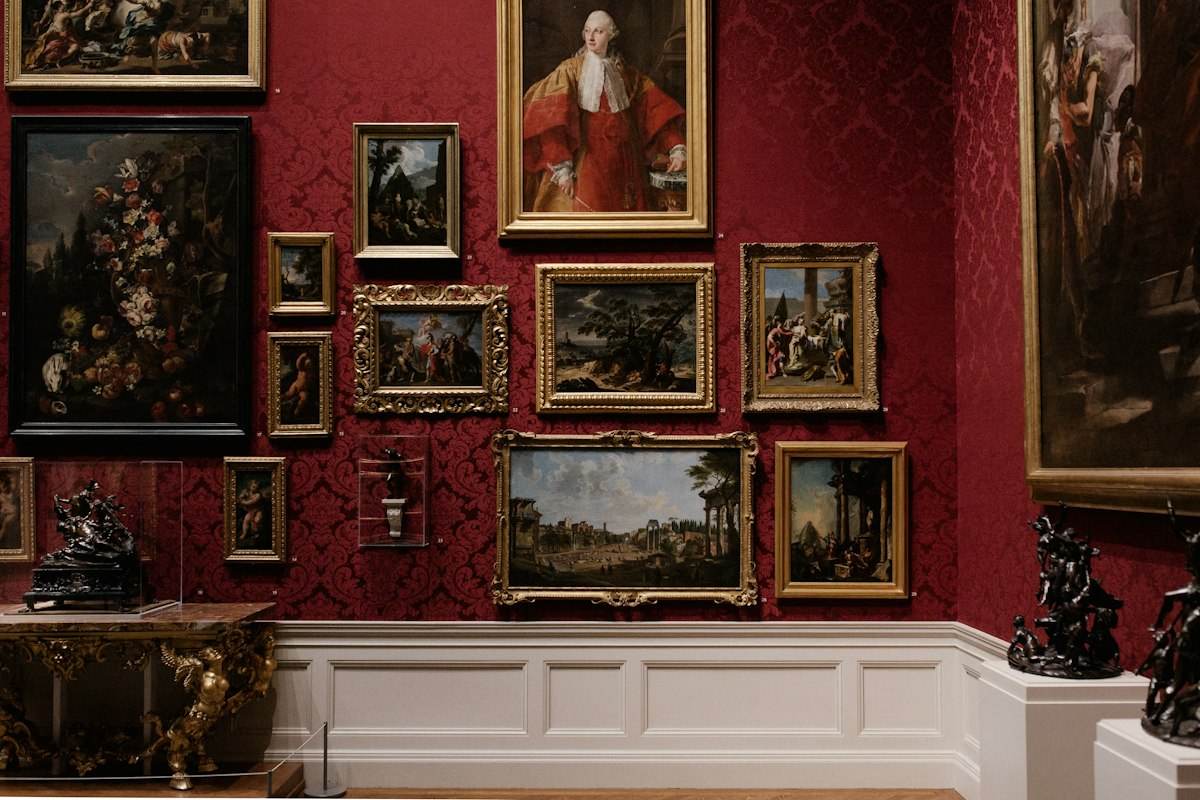
British Museum: one of the best museums in the world — and free.
Westminster: Big Ben, the Houses of Parliament, and Westminster Abbey in one walk.
London Eye: the giant wheel on the Thames, best at sunset.
Borough Market: London's most famous food market — come hungry.
Hyde Park and Kensington Gardens: perfect for a slow afternoon walk.
West End show: London's theatre is world-famous — book in advance for the best seats and prices.
How Much Does a London Trip Cost?
London is one of the most expensive cities in Europe. Typical daily ranges:
| Style | Hotel (per night) | Food (per day) | Transport + fun (per day) |
|---|---|---|---|
| Budget | from $40 | from $25 | from $20 |
| Mid-range | from $120 | from $50 | from $40 |
| Luxury | from $300 | from $120 | from $100 |
A mid-range traveller should plan roughly $200–$300 per day. A budget traveller can manage on about $100–$130 a day with hostels, supermarket food, and free museums. Many of London's best museums are free, which helps a lot.
London Travel Tips
Money: the currency is the British pound (GBP). Cards and phone payments work almost everywhere — London is nearly cashless.
Transport: use a contactless card or phone on the Tube and buses — it is cheaper than paper tickets, with a daily cap.
Oyster: you do not need one anymore if you have a contactless card.
Free museums: the British Museum, National Gallery, Tate Modern, and Natural History Museum are all free.
Book ahead: popular attractions and West End shows are cheaper and easier when booked online in advance.
Weather: layers are the answer — a light rain jacket is useful in every season.
Day trips: Windsor, Oxford, Bath, and Stonehenge are all easy day trips by train.
A Perfect 3-Day London Itinerary
Day 1 — Westminster and the Thames: start at Westminster — Big Ben, the Houses of Parliament, and Westminster Abbey. Walk across Westminster Bridge for the classic photo, then along the South Bank to the London Eye. Ride the Eye in the late afternoon for the best light.
Continue along the river to Borough Market for a late lunch — the food stalls here are some of the best in London. End the day with a walk across the Millennium Bridge to St Paul's Cathedral as the lights come on.
Day 2 — History and museums: spend the morning at the Tower of London — go early, see the Crown Jewels first, and join a free Yeoman Warder (Beefeater) tour. Cross Tower Bridge and walk along the river to the Tate Modern, one of the best modern art museums in the world — and free.
In the afternoon, visit the British Museum: the Rosetta Stone, the Egyptian mummies, and the Parthenon sculptures are the highlights. End the day in Covent Garden for dinner and street performers.
Day 3 — Parks, markets and a show: start with a walk through Hyde Park and Kensington Gardens, past the palace and the Serpentine lake. Visit the Natural History Museum or the Victoria and Albert Museum — both are free and next to each other.
In the afternoon, explore Notting Hill and Portobello Road Market for antiques, clothes, and colourful houses. In the evening, see a West End show — book in advance for the best seats. If shows are sold out, the TKTS booth in Leicester Square sells same-day discounted tickets.
Plan Your Trip in 5 Steps
Step 1 — Pick your dates: May to September is best for warm weather and long days. December is lovely for the Christmas markets.
Step 2 — Book your flights: compare fares on Aviasales. London has six airports — Heathrow (LHR) and Gatwick (LGW) are the biggest.
Step 3 — Book your hotel: choose Westminster or South Bank for a first visit, and book early — London hotels sell out fast.
Step 4 — Get an Oyster card or use contactless: you can tap your bank card or phone on the Tube and buses — no ticket needed.
Step 5 — Pack and go: bring a rain jacket (London rain is famous), comfortable walking shoes, and layers — the weather changes fast.
Frequently Asked Questions
How many days are enough for London?
Four to five days is ideal for a first trip — three days for the main sights and one or two days for museums, markets, and a day trip.
Is London safe for tourists?
Yes, London is generally safe. Watch for pickpockets in crowded tourist areas and on the Tube, as in any big city.
What is the best area to stay in London?
Westminster or South Bank for first-timers, Covent Garden for food and theatre, and Kensington for a calm stay.
Do I need a visa for the UK?
Many visitors need a UK Standard Visitor visa, and some nationalities now need an ETA (Electronic Travel Authorisation). Check the official UK government website for your passport.
Is London expensive?
Yes, it is one of the most expensive cities in Europe. But many museums are free, and parks, markets, and walks cost nothing.
What is the best way to get around London?
The Tube and buses with a contactless card or phone. Walking is great in central London — many sights are closer than they look.
What food should I try in London?
Fish and chips, a full English breakfast, afternoon tea, and the food at Borough Market. London also has great food from every country.
When is the cheapest time to visit London?
January and February are usually the cheapest for hotels, and November (before Christmas) can be good too.
Related Guides
Paris Travel Guide · Schengen Visa Guide · How to Find Cheap Flights · Travel Insurance Guide
Affiliate disclosure: GoFlyLo is reader-supported. When you book a flight, hotel, tour or other travel service through links on this page, we may earn a commission from our partners (Aviasales, Klook and other Travelpayouts programs) at no extra cost to you. Prices change often — always check the final price on the booking website before you pay.