New York Travel Guide 2026
New York is the most famous city in the world — and it earns the title. It is five boroughs, 8 million people, and a skyline you recognise from a hundred films. You can eat a $3 pizza slice standing on the pavement, then look up at a tower that costs a fortune to visit. You can walk through Central Park in the morning, see a Broadway show at night, and eat food from ten different countries in between. New York is big, loud, fast and expensive — but it is also the most exciting city trip you can take. This guide explains everything a first-time visitor needs in easy English: what to see, where to stay, how much it costs, and how to plan a perfect 3-day trip to New York.
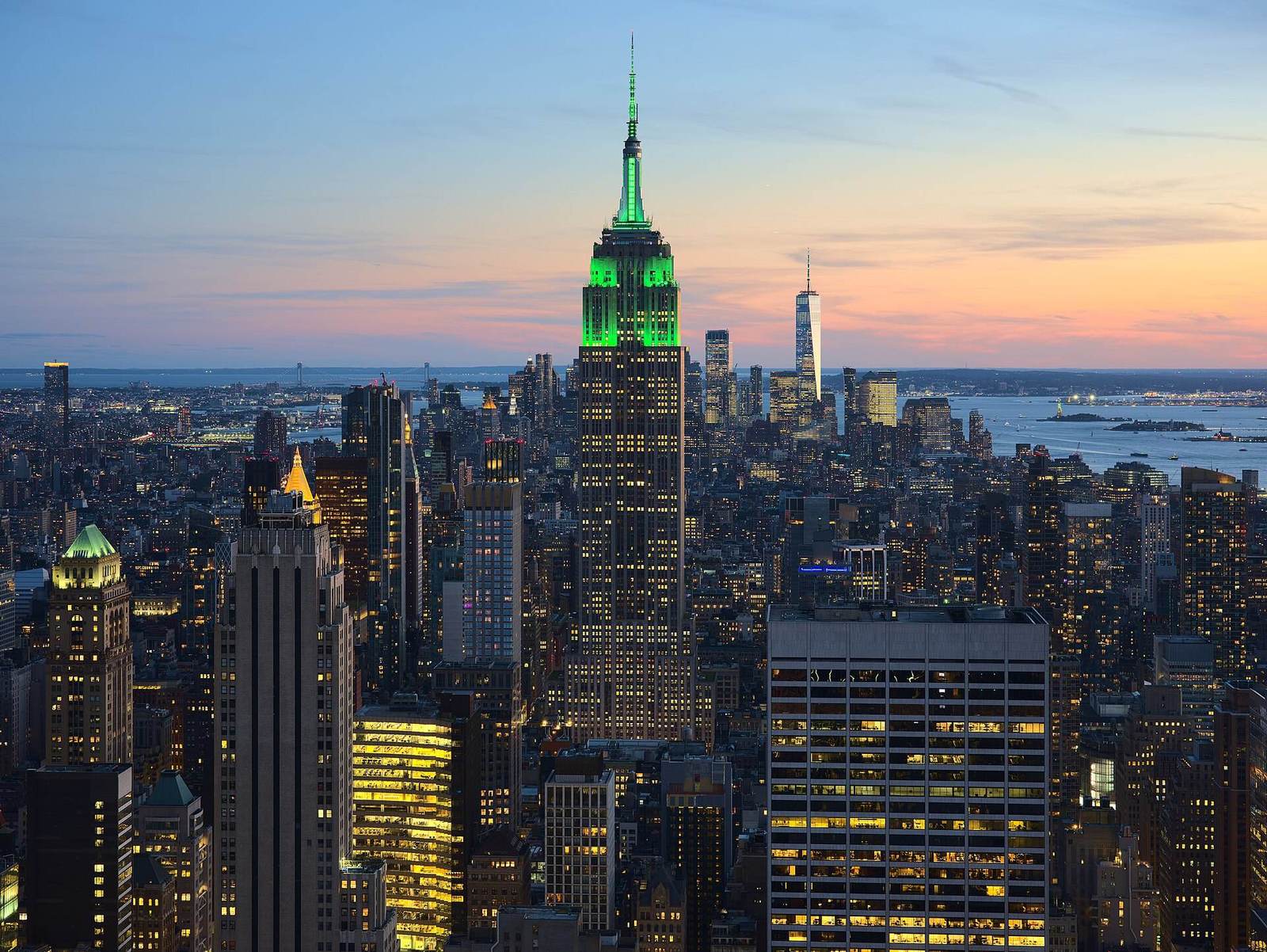
New York — the Empire State Building lights up the Manhattan skyline at dusk.
TL;DR — The Short Version
Best time to visit: April–June and September–November — mild weather, blue skies, and the parks at their best.
Budget: about $180–$300 per day for a mid-range trip (New York is one of the most expensive cities in the world).
Must-see: Times Square, Central Park, the Statue of Liberty, the Empire State Building, and the Metropolitan Museum of Art.
Stay: in Midtown Manhattan for a first visit, or in Brooklyn for a cheaper, local feel.
Tip: buy attraction tickets online before you fly, and use the subway — it runs 24 hours and goes everywhere.
✈ Search Flights to New York
You'll search flights on GoFlyLo (flights.goflylo.com), powered by Aviasales — view prices and complete your booking there. If you book, we may earn a commission at no extra cost to you. Read our full Affiliate Disclosure.
🏨 Search Hotels in New York
You'll continue to Klook, our hotel and activities partner, and see hotels in your destination — pick your dates, guests, rooms and hotel there, and complete your booking. If you book, we may earn a commission at no extra cost to you. Read our full Affiliate Disclosure.
Why Visit New York?
New York is not one city — it is many cities in one. Manhattan has the skyscrapers, the theatres and the museums. Brooklyn has the brownstone streets, the food markets and the views of the skyline. Queens is the most diverse place on Earth, where you can hear 100 languages on one subway line.
The city has the best museums in America, the best theatre in the world, and food from every country you can name. The Statue of Liberty is the symbol of America. Central Park is the most famous park in the world. Times Square is the brightest square on Earth.
New York is also a city that rewards walking: every block has something to look at, and the best moments are often the ones you did not plan — a street musician in the subway, a food cart with the best falafel you have ever had, a view of the skyline that stops you in your tracks.
Top Things to Do in New York
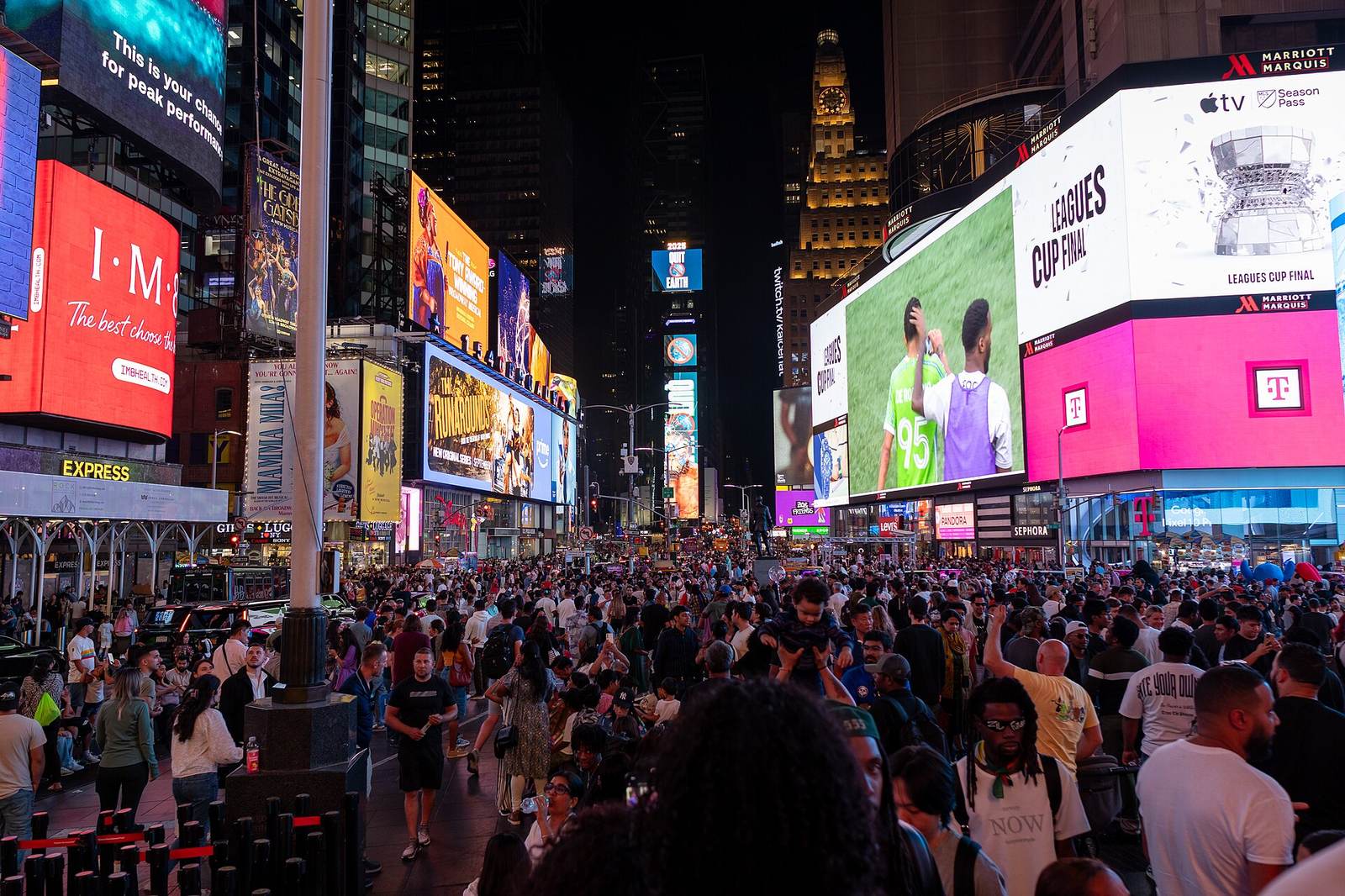
Times Square: the heart of New York — giant screens, crowds, and Broadway theatres on every side. Go once at night, when the lights are at their brightest, and then escape into the side streets.
Central Park: 843 acres of green in the middle of Manhattan. Rent a rowboat on the lake, walk the Mall, and visit Bethesda Terrace.
Statue of Liberty and Ellis Island: take the ferry from Battery Park (about $25) and climb to the pedestal for the view. Book the crown in advance if you want to go all the way up.
Empire State Building: the classic observatory — go at sunset for the best light. Tickets cost around $44.
The Metropolitan Museum of Art (the Met): one of the greatest museums in the world. Entry is about $30 for visitors from outside New York State — and you could spend a whole day here.
Brooklyn Bridge: walk across it at sunset, from Manhattan to Brooklyn, for the best free view in the city.
9/11 Memorial: a quiet, powerful place in Lower Manhattan. The museum needs a ticket — book online.
Where to Stay in New York
The best area for a first visit is
Midtown Manhattan — close to Times Square, Broadway, the Empire State Building and the big museums. It is busy and expensive, but everything is walkable.
Brooklyn (Williamsburg or DUMBO) is the best choice if you want a cheaper, more local stay — the subway reaches Manhattan in 15 minutes, and the food scene is excellent.
Lower Manhattan suits travellers who want the Statue of Liberty, Wall Street and the 9/11 Memorial nearby.
Long Island City in Queens is the budget trick: hotels are much cheaper, and it is one subway stop from Manhattan. Budget hostels start from about $60 a night, mid-range hotels cost $180–$300, and luxury hotels near Central Park start from $400. Book early — New York hotels sell out fast, and prices jump in December and in spring. Always check the total price: New York adds city tax and a resort fee on top of the room rate.
How to Get Around New York
The subway is the heart of New York transport — it runs 24 hours a day, covers all five boroughs, and a single ride costs $2.90. Pay with OMNY: just tap your bank card or phone at the turnstile, and after 12 rides in a week the rest are free (the weekly cap is $34).
Buses use the same fare and are good for cross-town trips. Walking is a pleasure in Manhattan — the streets are a grid, so you can hardly get lost, and most sights are 10–20 minutes apart on foot.
Yellow taxis are everywhere, but they are slow in traffic and expensive — a short ride costs $15–$25. Ride-hailing apps work well too.
From JFK Airport, take the AirTrain to Jamaica station (about $8.25) and then the subway or the Long Island Rail Road into Manhattan — the whole trip takes about an hour and costs under $15. A taxi from JFK to Manhattan has a flat fare of about $52 plus tip and tolls.
From Newark (EWR), the AirTrain plus New Jersey Transit train reaches Penn Station in about 30 minutes.

What Does a Trip to New York Cost?
| Item | Budget | Mid-range | Luxury |
|---|---|---|---|
| Hotel (per night) | $60–$100 | $180–$300 | $400+ |
| Food (per day) | $30–$50 | $60–$100 | $150+ |
| Transport (per day) | $10 | $15 | $30 |
| Attractions (per day) | $0–$30 | $40–$70 | $100+ |
| Total per day | $100–$190 | $295–$485 | $680+ |
A 3-day mid-range trip costs about $885–$1,455 per person, not counting flights. New York is one of the most expensive cities in the world, and the hotel is the biggest cost.
You can spend much less if you stay in a hostel or in Queens, eat pizza slices and halal carts instead of restaurants, and enjoy the free sights — Central Park, the Brooklyn Bridge, the Staten Island Ferry (free, with a great view of the Statue of Liberty), and the High Line cost nothing at all.
Tipping is expected in New York: 15–20% in restaurants, $1–2 per bag for porters, and 10–15% for taxi drivers.
New York 3-Day Itinerary
Day 1 — Midtown icons: Start at Times Square in the morning, then walk to the Empire State Building and go up to the observatory. Have a pizza slice for lunch, then visit the New York Public Library and Bryant Park. In the afternoon, walk down Fifth Avenue to the Metropolitan Museum of Art. Evening: a Broadway show — book in advance, or try the TKTS booth in Times Square for same-day discounted tickets.
Day 2 — Downtown and the Statue of Liberty: Take the morning ferry to the Statue of Liberty and Ellis Island. Back in Manhattan, visit the 9/11 Memorial and walk Wall Street. In the afternoon, walk across the Brooklyn Bridge to DUMBO for the famous skyline photo, then explore Brooklyn's food markets. Evening: dinner in Williamsburg.
Day 3 — Parks and neighbourhoods: Morning in Central Park — rent a rowboat, walk the Mall, and visit the Bethesda Terrace. Afternoon: the High Line, the elevated park built on an old railway line, then the Chelsea Market for lunch. Evening: sunset from the Top of the Rock at Rockefeller Center, then dinner in Hell's Kitchen. If you have a fourth day, visit the American Museum of Natural History or take a day trip to the Hudson Valley.
Plan Your Trip in 5 Steps
Step 1 — Pick your dates: April to June or September to November is best. December is magical for Christmas lights and markets, but hotels are at their most expensive.
Step 2 — Book your flights: compare fares on Aviasales and book early. New York has three airports — JFK, Newark (EWR) and LaGuardia (LGA) — and the cheapest flight is not always to the most convenient one.
Step 3 — Book your hotel: choose Midtown Manhattan for a first visit, or Brooklyn or Long Island City to save money, and book as early as you can.
Step 4 — Book your tickets: buy Statue of Liberty, Empire State Building and Broadway tickets online before you fly — the popular time slots sell out.
Step 5 — Pack and go: bring comfortable walking shoes (you will walk 15,000–20,000 steps a day), layers for the changing weather, and a small bag that closes properly — keep it in front of you on the subway and in Times Square.
Best Time to Visit New York
Spring (April–June) and autumn (September–November) are the best times to visit New York. The weather is mild, the parks are beautiful, and the city is at its most comfortable. Summer (July–August) is hot and humid, often above 30°C, and the city is full of tourists — but the street festivals and outdoor concerts are wonderful.
Winter (December–February) is cold, with temperatures around 0–8°C, but December is the most magical month in New York: the Rockefeller Center Christmas tree, the shop windows on Fifth Avenue, and the ice rinks in Central Park and Bryant Park.
January and February are the cheapest months for hotels — if you do not mind the cold, you can save a lot. The biggest crowds come at Christmas and in the summer, so book your hotel early for those months.
Frequently Asked Questions
How many days are enough for New York?
Three days is the minimum for a first trip — one day for Midtown, one day for Downtown and the Statue of Liberty, and one day for parks and neighbourhoods. Four or five days is better, and lets you add a museum day and a Brooklyn day without rushing.
Is New York expensive?
Yes, New York is one of the most expensive cities in the world. A budget traveller can manage on $100–$190 a day, and a mid-range trip costs $295–$485 a day. The hotel is the biggest cost — staying in Queens or Brooklyn saves a lot.
Do I need a visa for New York?
New York is in the USA. Citizens of the EU, UK, Japan, Australia and other Visa Waiver countries can visit with an ESTA for up to 90 days. Travellers from Pakistan, India and many other countries need a US B1/B2 visitor visa — apply at least 2–3 months before your trip.
Is New York safe for tourists?
New York is much safer than its old reputation, but stay alert in crowded places like Times Square and on the subway late at night. Keep your bag in front of you, avoid empty subway cars, and use ride-hailing late at night instead of walking alone in quiet areas.
What is the best area to stay in New York?
Midtown Manhattan is best for a first visit — everything is close. Brooklyn (Williamsburg or DUMBO) is best for food and a local feel. Long Island City in Queens is best for saving money — one subway stop from Manhattan.
How do I get from JFK Airport to Manhattan?
Take the AirTrain to Jamaica station (about $8.25), then the subway or the Long Island Rail Road into Manhattan. The whole trip takes about an hour and costs under $15. A taxi has a flat fare of about $52 plus tip and tolls.
How much should I tip in New York?
Tipping is expected: 15–20% in restaurants, $1–2 per drink at a bar, $1–2 per bag for hotel porters, and 10–15% for taxi drivers. Many restaurants add a service charge for large groups — check the bill before you add a tip.
What should I eat in New York?
Try a New York pizza slice ($3–$5), a bagel with cream cheese, a pastrami sandwich from a deli, a halal cart plate (chicken over rice), and a cheesecake. The food carts and small pizza shops are often better — and much cheaper — than the big restaurants in Times Square.
Related Guides
London Travel Guide · Singapore Travel Guide · How to Find Cheap Flights · Travel Insurance Guide · Islamabad to London Flights
Affiliate disclosure: GoFlyLo is reader-supported. When you book a flight, hotel, tour or other travel service through links on this page, we may earn a commission from our partners (Aviasales, Klook and other Travelpayouts programs) at no extra cost to you. Prices change often — always check the final price on the booking website before you pay.