Kuala Lumpur Travel Guide 2026
Kuala Lumpur — KL for short — is a city of towers, food, and cultures living side by side. The Petronas Twin Towers shine over the skyline, street markets sell food from Malay, Chinese, and Indian kitchens, and modern malls stand next to old temples and colonial buildings. KL is also one of the cheapest capitals in Asia and a great base for trips to the Malaysian islands. This guide explains when to go, what it costs, where to stay, and the best things to do.
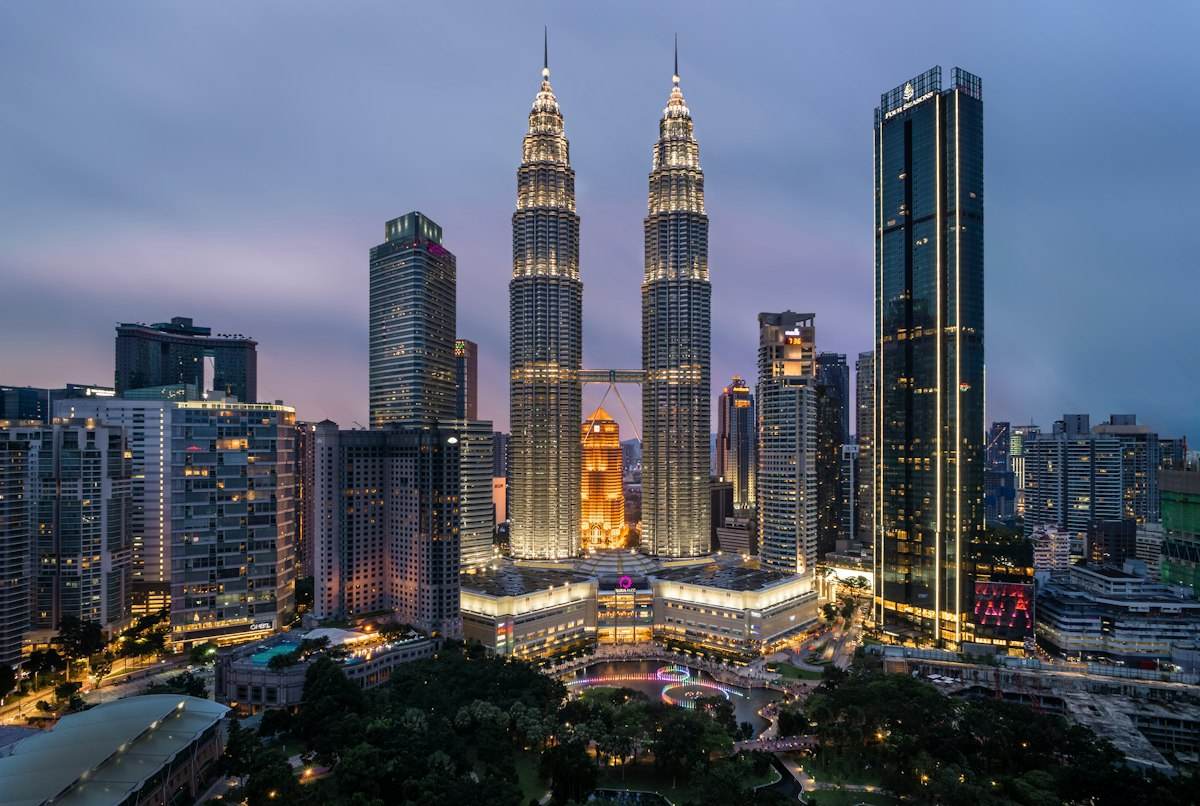
Kuala Lumpur — the Petronas Towers over the city.
TL;DR — The Short Version
Best time: December to February and June to August — the driest months. KL is warm all year.
Budget: from around $40–$70 a day for a mid-range trip.
Stay: Bukit Bintang for shopping and food, KLCC for the towers, Chinatown for budget.
Do not miss: the Petronas Towers, Batu Caves, Jalan Alor food street, and the KL Tower sky deck.
Visa: many nationalities get visa-free entry — check before you fly.
✈ Search Flights to Kuala Lumpur
You'll search flights on GoFlyLo (flights.goflylo.com), powered by Aviasales — view prices and complete your booking there. If you book, we may earn a commission at no extra cost to you. Read our full Affiliate Disclosure.
🏨 Search Hotels in Kuala Lumpur
You'll continue to Klook, our hotel and activities partner, and see hotels in your destination — pick your dates, guests, rooms and hotel there, and complete your booking. If you book, we may earn a commission at no extra cost to you. Read our full Affiliate Disclosure.
Best Time to Visit Kuala Lumpur
Kuala Lumpur is warm all year — around 27–33°C — so there is no bad month, only wetter and drier ones. The driest months are usually December to February and June to August. The wettest months are March to May and September to November, when short, heavy rain falls in the afternoon.
The rain rarely ruins a day — it comes fast and passes fast. Hotel prices stay fairly steady all year, with small rises during school holidays and big festivals like Eid and Chinese New Year.
How to Get to Kuala Lumpur
Most visitors land at Kuala Lumpur International Airport (KLIA). Malaysia Airlines and AirAsia are based here, and airlines from all over Asia and the Middle East fly in. The KLIA Ekspres train takes you to the city centre in about 30 minutes. Buses are cheaper, and Grab (ride-hailing) cars are easy and fairly priced.
Use the flight search above to compare ticket prices from your city.
Where to Stay in Kuala Lumpur
Bukit Bintang is the most popular area — shopping malls, restaurants, street food, and the metro, all in one place.
KLCC is the area around the Petronas Towers and the park — best for a first visit with a view.
Chinatown (Petaling Street) is the budget favourite — hostels, markets, and cheap food.
Bangsar is a relaxed, local neighbourhood with cafes and bars. Hostels start from around $8 a night, mid-range hotels from around $30–$50, and luxury hotels from around $100. Compare prices with the hotel search above.
Top Things to Do in Kuala Lumpur
Petronas Twin Towers: the most famous sight in Malaysia. Go to the skybridge and observation deck — book tickets online in advance.
Batu Caves: a giant golden statue and 272 colourful steps leading to Hindu cave temples — take the train from the city in about 30 minutes.
Jalan Alor: the famous food street in Bukit Bintang — satay, noodles, grilled seafood, and fresh fruit, all outdoors at night.
KL Tower (Menara): the sky deck and glass sky box have amazing views over the city.
Central Market and Chinatown: souvenirs, street food, and old shophouses.
Little India (Brickfields): colourful shops, flower stalls, and some of the best Indian food in the city.
KL Forest Eco Park: a real rainforest in the middle of the city, with a canopy walk.

How Much Does a Kuala Lumpur Trip Cost?
KL is one of the cheapest capitals in Asia. Typical daily ranges:
| Style | Hotel (per night) | Food (per day) | Transport + fun (per day) |
|---|---|---|---|
| Budget | from $8 | from $8 | from $8 |
| Mid-range | from $30 | from $15 | from $20 |
| Luxury | from $100 | from $50 | from $60 |
A mid-range traveller should plan roughly $60–$90 per day. A budget traveller can enjoy KL on about $30–$45 a day with hostels, street food, and the metro.
Kuala Lumpur Travel Tips
Money: the currency is the Malaysian ringgit (MYR). Cards work in malls and hotels; cash is best for street food and markets.
Transport: the MRT and LRT trains are fast and cheap. Grab is the easiest way to get a car.
Food: try nasi lemak (the national dish), char kway teow, roti canai, and satay.
Weather: it rains suddenly — carry a small umbrella.
Culture: Malaysia is a mix of Malay, Chinese, and Indian cultures. Dress modestly in mosques and remove shoes before entering.
Alcohol: available in bars and restaurants, but it is expensive because of taxes.
Day trips: Genting Highlands and Malacca are easy day trips from KL.
A Perfect 3-Day Kuala Lumpur Itinerary
Day 1 — The towers and the city centre: start at the Petronas Twin Towers — book the skybridge and observation deck online in advance. Walk through KLCC Park afterwards, with its lake and playground, then visit the Suria KLCC mall at the base of the towers.
In the afternoon, take the metro to the KL Tower sky deck and sky box for a different view over the city. In the evening, eat on Jalan Alor food street — the whole street turns into an open-air restaurant at night.
Day 2 — Batu Caves and old KL: take the train to Batu Caves in the morning, before the heat. Climb the 272 colourful steps to the cave temples and watch the monkeys — keep your food and sunglasses safe from them.
After lunch, explore Chinatown: Petaling Street market, the Central Market for souvenirs, and the beautiful Sri Mahamariamman Temple. In the late afternoon, walk to Merdeka Square and the old colonial buildings, then have dinner in Brickfields (Little India) — the banana leaf meals here are excellent and cheap.
Day 3 — Day trip or slow day: take a day trip to Malacca, about 2 hours by bus — a historic port city with Dutch and Portuguese buildings, a famous night market on Jonker Street, and great food.
Or stay in KL: visit the KL Forest Eco Park canopy walk in the morning, the Islamic Arts Museum in the afternoon, and end the day at a rooftop bar in Bukit Bintang watching the towers light up. If you love shopping, the Pavilion and Lot 10 malls are worth an evening on their own.
Kuala Lumpur Shopping Guide
KL is one of the best shopping cities in Asia. The Pavilion and Suria KLCC malls have international brands, while Lot 10 and Fahrenheit 88 are good for fashion and electronics.
For local shopping, Central Market sells crafts and souvenirs, and Petaling Street in Chinatown is the place for bargaining — start at half the asking price and meet in the middle. Malaysia has no sales tax on most goods, and the big sale seasons (usually mid-year and year-end) bring real discounts.
Buy local: Malaysian batik, pewter from Royal Selangor, and Boh tea from the Cameron Highlands make good gifts.
Plan Your Trip in 5 Steps
Step 1 — Pick your dates: Kuala Lumpur is warm all year, but June to August is driest. Avoid the monsoon months of October to December if you can.
Step 2 — Book your flights: compare fares on Aviasales. KLIA (KUL) is the main airport, with good connections across Asia.
Step 3 — Book your hotel: choose Bukit Bintang for shopping and nightlife, or KLCC for the towers, and book early for public holidays.
Step 4 — Plan your transport: the metro and monorail are cheap and easy — download the Moovit or Google Maps app.
Step 5 — Pack and go: bring light clothes, an umbrella (rain comes suddenly), and an appetite — KL's street food is some of the best in Asia.
Frequently Asked Questions
How many days are enough for Kuala Lumpur?
Three days is enough for the main sights. Add one or two days for Batu Caves, a day trip to Malacca, or a slower food trip.
Is Kuala Lumpur safe for tourists?
Yes, KL is generally safe. Watch your bag in crowded markets and avoid quiet streets late at night, as in any big city.
What is the best area to stay in Kuala Lumpur?
Bukit Bintang for most travellers, KLCC for the towers and park, and Chinatown for budget stays.
Do I need a visa for Malaysia?
Many nationalities get visa-free entry for 30 to 90 days. Always check the current rules for your passport before you fly.
What food must I try in Kuala Lumpur?
Nasi lemak, char kway teow, roti canai, satay, and laksa. Jalan Alor is the best place to try them all in one evening.
Is Kuala Lumpur expensive?
No — it is one of the cheapest capitals in Asia for food, transport, and hotels.
What is the best way to get around Kuala Lumpur?
The MRT and LRT trains for speed, and Grab cars for comfort and late nights.
Is Kuala Lumpur good for a family trip?
Yes — it is family-friendly, with parks, aquariums, theme parks, and easy transport.
Related Guides
Bangkok Travel Guide · Dubai Travel Guide · How to Find Cheap Flights · Travel Insurance Guide
Affiliate disclosure: GoFlyLo is reader-supported. When you book a flight, hotel, tour or other travel service through links on this page, we may earn a commission from our partners (Aviasales, Klook and other Travelpayouts programs) at no extra cost to you. Prices change often — always check the final price on the booking website before you pay.