Amsterdam Travel Guide 2026
Amsterdam is the city of canals, bicycles and small brown houses leaning over the water. It is one of the most relaxed capitals in Europe — you can cycle everywhere, eat in cosy cafés, and visit world-famous museums, all in a city centre you can cross on foot in 30 minutes. Amsterdam is famous for the Anne Frank House, the Van Gogh Museum and the Rijksmuseum, but it is also famous for its atmosphere: the canals at sunset, the flower markets, and the feeling that everyone here is in a good mood. This guide explains everything a first-time visitor needs in easy English: what to see, where to stay, how much it costs, and how to plan a perfect 3-day trip to Amsterdam.
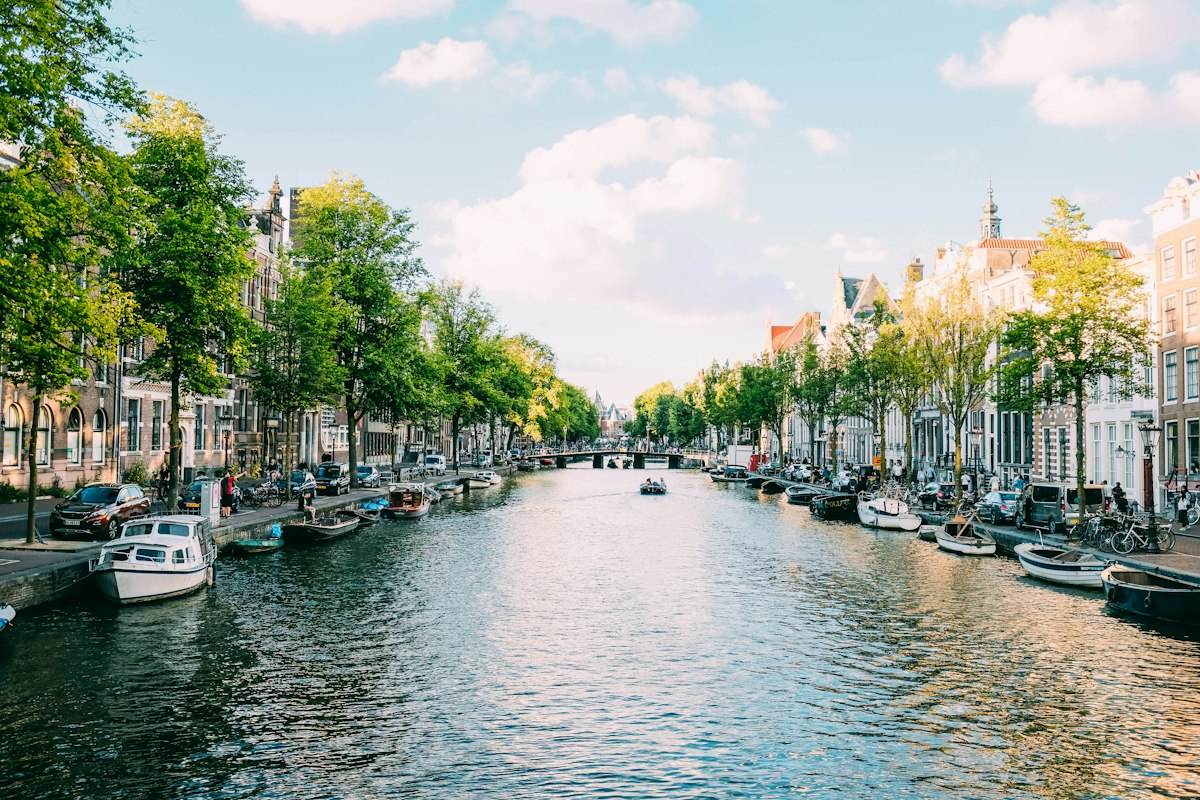
Amsterdam — canals, bicycles and gabled houses.
TL;DR — The Short Version
Best time to visit: April–May for tulips, or September–October for mild weather and fewer crowds.
Budget: about $120–$180 per day for a mid-range trip — Amsterdam is one of the pricier cities in Europe.
Must-see: the Anne Frank House, the Van Gogh Museum, the Rijksmuseum, and a canal cruise.
Stay: in the Jordaan, the Canal Ring, or near Leidseplein.
Tip: book Anne Frank House tickets 6 weeks ahead — they sell out fast, and there are no tickets at the door.
✈ Search Flights to Amsterdam
You'll search flights on GoFlyLo (flights.goflylo.com), powered by Aviasales — view prices and complete your booking there. If you book, we may earn a commission at no extra cost to you. Read our full Affiliate Disclosure.
🏨 Search Hotels in Amsterdam
You'll continue to Klook, our hotel and activities partner, and see hotels in your destination — pick your dates, guests, rooms and hotel there, and complete your booking. If you book, we may earn a commission at no extra cost to you. Read our full Affiliate Disclosure.
Why Visit Amsterdam?
Amsterdam is small, beautiful and easy to love. The whole city centre is a UNESCO World Heritage site, built around 165 canals and more than 1,500 bridges. You can rent a bicycle like a local and cycle past 17th-century houses, flower stalls and cheese shops.
The museums are world-class: the Rijksmuseum has Rembrandt's Night Watch, the Van Gogh Museum has the largest collection of Van Gogh's paintings anywhere, and the Anne Frank House is one of the most moving places in Europe.
Amsterdam is also a very open and tolerant city — English is spoken everywhere, the food is international, and the atmosphere is relaxed. It is more expensive than many European cities, but the experience is worth it.
Top Things to Do in Amsterdam
Anne Frank House: the house where Anne Frank hid during the Second World War. Book tickets online exactly 6 weeks before your visit — they sell out within hours.
Van Gogh Museum: the world's largest Van Gogh collection, including Sunflowers and The Bedroom. Book a timed ticket online.
Rijksmuseum: the national museum, home to the Night Watch and the largest collection of Dutch Golden Age art.
Canal cruise: the easiest way to see the city. A 1-hour cruise costs about €15–€20, and evening cruises with drinks are the most romantic.
Jordaan: Amsterdam's prettiest neighbourhood — small streets, art galleries, cafés and the Noordermarkt flea market on Saturdays.
Vondelpark: the city's big park, perfect for a picnic, a run, or a lazy afternoon.
Where to Stay in Amsterdam
The best areas for a first visit are the Jordaan (quiet, pretty, full of cafés), the Canal Ring (central, beautiful, and close to the museums), and Leidseplein (lively, full of bars and restaurants). Budget hostels start from about $40 a night, mid-range hotels cost $130–$220, and luxury canal-side hotels start from $300.
Amsterdam hotels are expensive and book up fast — book as early as you can, especially for April and May (tulip season) and for the summer. Staying just outside the centre, near a metro or tram stop, can save you $50 a night.
Avoid the area around the Red Light District at night if you want a quiet stay.
How to Get Around Amsterdam
Amsterdam is a bicycle city — there are more bicycles than people. Renting a bike costs about €10–€15 a day and is the best way to see the city like a local, but be careful: the cycle lanes are busy and the locals ride fast.
Walking is easy too — the centre is small and flat. Trams are the best public transport for tourists: a 1-hour ticket costs €3.40, and a 72-hour ticket costs €23.50. The metro is useful for trips outside the centre. From Schiphol Airport (AMS), the train takes 15–20 minutes to Amsterdam Centraal and costs about €5.50.
A taxi from the airport costs about €40–€50. Do not drive in Amsterdam — parking costs up to €7.50 an hour and the centre is closed to most cars.

What Does a Trip to Amsterdam Cost?
| Item | Budget | Mid-range | Luxury |
|---|---|---|---|
| Hotel (per night) | $40–$70 | $130–$220 | $300+ |
| Food (per day) | $25–$40 | $50–$80 | $120+ |
| Transport (per day) | $5 | $12 | $25 |
| Attractions (per day) | $0–$15 | $25–$45 | $70+ |
| Total per day | $70–$130 | $217–$357 | $515+ |
A 3-day mid-range trip costs about $650–$1,070 per person, not counting flights. Amsterdam is one of the most expensive cities in Europe, mainly because of hotel prices.
You can save money by staying in a hostel, eating at markets and sandwich shops, and using the free ferry across the IJ river to the north of the city.
Amsterdam 3-Day Itinerary
Day 1 — The canals and the old town: Start at Dam Square, walk through the Canal Ring, and take a canal cruise in the late morning. In the afternoon, explore the Jordaan — small streets, cafés and the Anne Frank House (booked in advance). Evening: dinner in the Jordaan or a canal-side restaurant.
Day 2 — Museums: Morning in the Rijksmuseum, afternoon in the Van Gogh Museum, then a walk through Vondelpark. Evening: Leidseplein for dinner and drinks.
Day 3 — Local Amsterdam: Morning at the Albert Cuyp Market — try stroopwafels, cheese and fresh herring. Afternoon: rent a bike and cycle to the parks and the quieter canals in the east, or take the free ferry to Amsterdam Noord for street art and the A'DAM Tower viewpoint. Evening: one last canal walk at sunset.
Plan Your Trip in 5 Steps
Step 1 — Pick your dates: April to May for tulips and mild weather, or September to October for fewer crowds. Book hotels early for spring.
Step 2 — Book your flights: compare fares on Aviasales. Schiphol Airport (AMS) is one of the best-connected airports in Europe.
Step 3 — Book your hotel: choose the Jordaan, the Canal Ring, or near Leidseplein, and book as early as you can — Amsterdam hotels sell out fast.
Step 4 — Book your museum tickets: buy Anne Frank House tickets exactly 6 weeks before your trip, and book Van Gogh and Rijksmuseum tickets online too.
Step 5 — Pack and go: bring comfortable walking shoes, a rain jacket (Amsterdam rain is famous), and a small bag you can carry on a bike — and remember to lock your bike properly, because bike theft is very common.
Best Time to Visit Amsterdam
April and May are the best months to visit Amsterdam — the tulips are in bloom, the weather is mild, and the days are long. The Keukenhof tulip gardens, open from mid-March to mid-May, are one of the most beautiful sights in Europe. Summer (June–August) is warm and busy, with the highest hotel prices.
September and October are lovely too, with golden leaves along the canals and fewer tourists. Winter (November–February) is cold, wet and dark, but the city is quiet and cheap, and the Amsterdam Light Festival in December and January lights up the canals.
If you want the lowest prices, January and February are the cheapest months — just bring a warm coat and an umbrella.
Frequently Asked Questions
How many days are enough for Amsterdam?
Three days is perfect for a first trip — one day for the canals and the old town, one day for the museums, and one day for markets and cycling. Four days lets you add a day trip to the tulip fields or the windmills at Zaanse Schans.
Is Amsterdam expensive?
Yes, Amsterdam is one of the most expensive cities in Europe, mainly because of hotel prices. A budget traveller can manage on $70–$130 a day, and a mid-range trip costs $217–$357 a day.
Do I need a visa for Amsterdam?
Amsterdam is in the Netherlands, which is in the Schengen Area. Citizens of the EU, UK, US, Canada, Australia and many other countries can visit visa-free for up to 90 days. Travellers from Pakistan, India and many other countries need a Schengen visa.
How do I book Anne Frank House tickets?
Tickets are sold online only, exactly 6 weeks before the visit date, and they sell out within hours. Set a reminder and book at 10 am Amsterdam time on the release day. There are no tickets at the door.
Is Amsterdam safe for tourists?
Yes, Amsterdam is very safe. Watch out for pickpockets in crowded areas and for bicycles — the cycle lanes are busy and cyclists have the right of way. Look both ways before crossing a cycle lane.
What is the best area to stay in Amsterdam?
The Jordaan is best for a quiet, pretty stay. The Canal Ring is best for a first visit — central and beautiful. Leidseplein is best for nightlife and restaurants.
How do I get from Schiphol Airport to central Amsterdam?
The train takes 15–20 minutes to Amsterdam Centraal and costs about €5.50. A taxi costs about €40–€50. The airport is one of the easiest in Europe to reach the city from.
What should I eat in Amsterdam?
Try stroopwafels (thin waffles with caramel syrup), Dutch cheese, raw herring with onions, bitterballen (fried meatballs) in a brown café, and Indonesian food — Amsterdam has some of the best Indonesian restaurants outside Indonesia.
Related Guides
Paris Travel Guide · Berlin Travel Guide · Schengen Visa Guide · How to Find Cheap Flights · Travel Insurance Guide
Affiliate disclosure: GoFlyLo is reader-supported. When you book a flight, hotel, tour or other travel service through links on this page, we may earn a commission from our partners (Aviasales, Klook and other Travelpayouts programs) at no extra cost to you. Prices change often — always check the final price on the booking website before you pay.