Singapore Travel Guide 2026
Singapore is the easiest city in Asia to love. It is clean, safe, and so well organised that everything just works — the trains are on time, the streets are spotless, and the food is some of the best in the world. In one small island you get a futuristic skyline, a rainforest in the middle of the city, temples and mosques next to glass towers, and street food so good that a hawker stall won a Michelin star. Singapore is also one of the best first stops in Asia: English is spoken everywhere, the airport is the best in the world, and you can see the whole city in three days. This guide explains everything a first-time visitor needs in easy English: what to see, where to stay, how much it costs, and how to plan a perfect 3-day trip to Singapore.
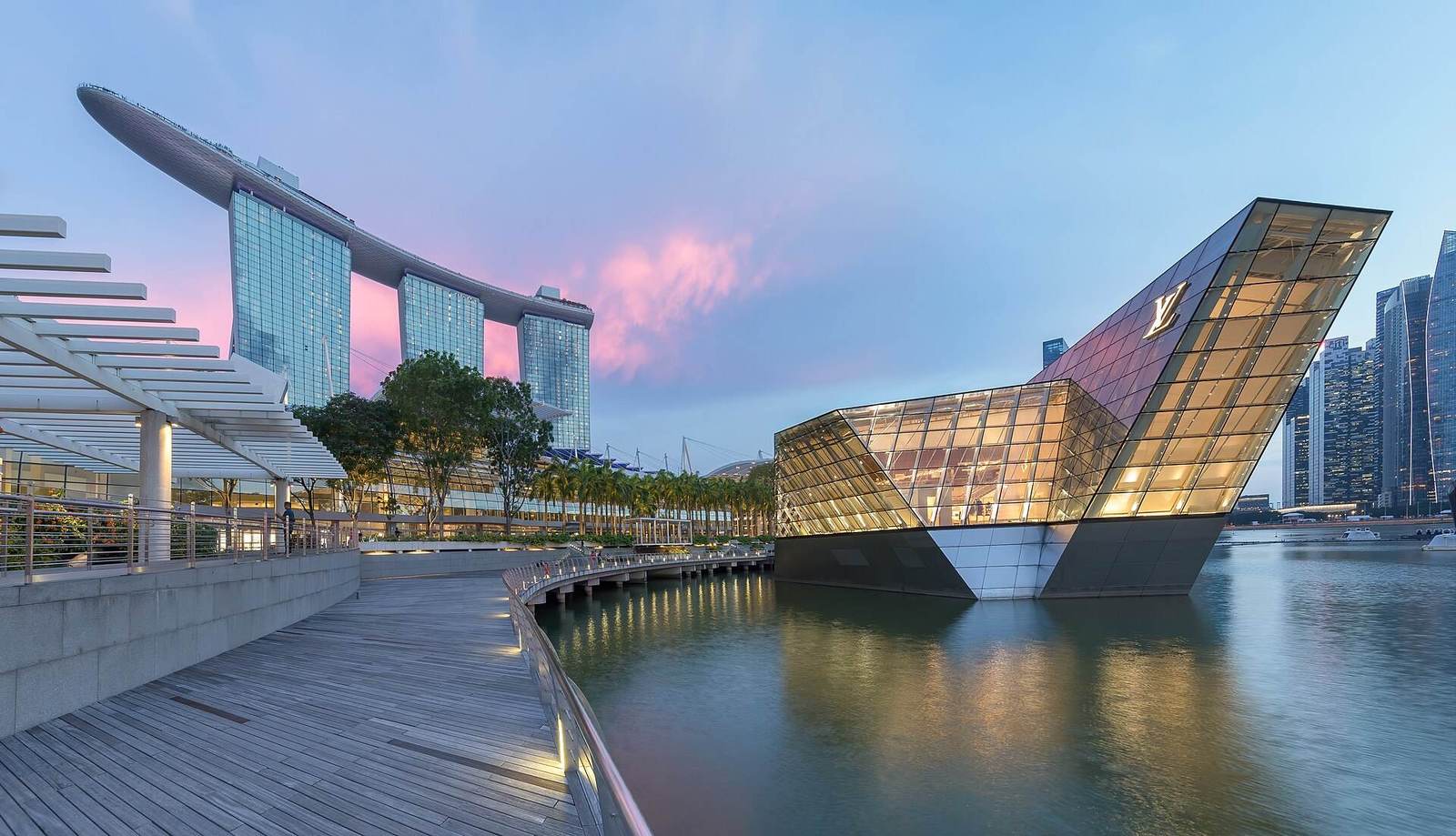
Singapore — Marina Bay Sands and the waterfront at blue hour.
TL;DR — The Short Version
Best time to visit: February–April is driest, but Singapore is warm all year (26–31°C) — pick any month and bring an umbrella.
Budget: about $120–$200 per day for a mid-range trip.
Must-see: Marina Bay Sands, Gardens by the Bay, the Merlion, Chinatown, Little India, and Sentosa Island.
Stay: near Marina Bay, Bugis, or Chinatown.
Tip: eat at hawker centres — a full meal costs $4–$8, and the food is world-class. Submit your free SG Arrival Card online within 3 days before you fly.
✈ Search Flights to Singapore
You'll search flights on GoFlyLo (flights.goflylo.com), powered by Aviasales — view prices and complete your booking there. If you book, we may earn a commission at no extra cost to you. Read our full Affiliate Disclosure.
🏨 Search Hotels in Singapore
You'll continue to Klook, our hotel and activities partner, and see hotels in your destination — pick your dates, guests, rooms and hotel there, and complete your booking. If you book, we may earn a commission at no extra cost to you. Read our full Affiliate Disclosure.
Why Visit Singapore?
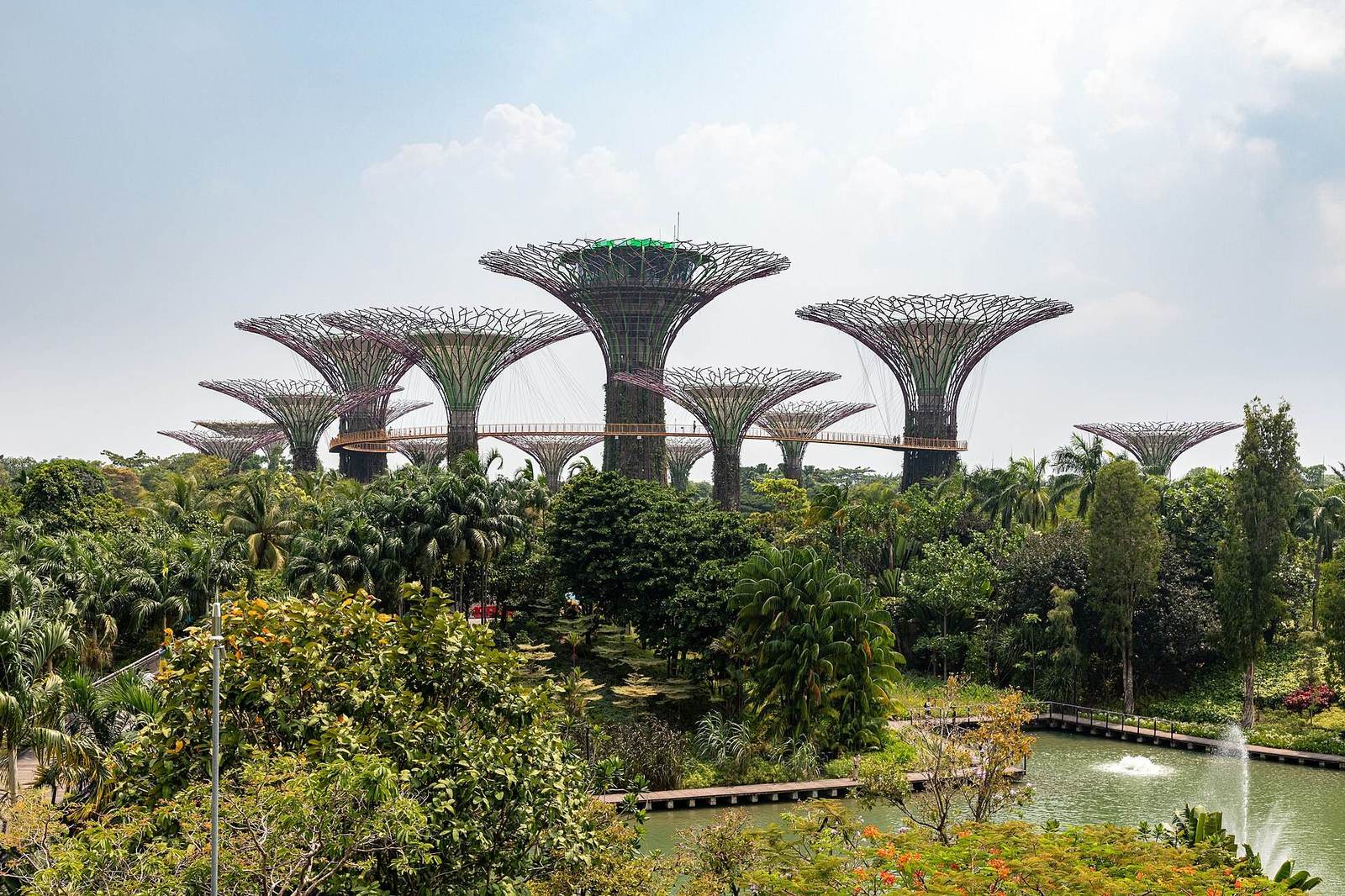
Singapore is proof that a city can be both futuristic and friendly. The skyline around Marina Bay looks like a film set — three towers with a ship on top, a giant wheel, and gardens with trees made of steel.
But step into Chinatown or Little India and you are in a different world: temples, spice shops, and food stalls that have been there for a hundred years.
Singapore is also the safest big city in Asia, and one of the cleanest — chewing gum is famously not sold here, and littering can cost you a fine. The food is the real reason to come: Chinese, Malay, Indian and Peranakan dishes, side by side, for a few dollars a plate.
And the airport, Changi, is an attraction in itself, with a rainforest waterfall inside the terminal. Singapore is small, so nothing is far away — and that makes it perfect for a short trip.
Top Things to Do in Singapore
Marina Bay Sands and the SkyPark: go up to the observation deck (about S$26) for the best view in Singapore — the whole bay, the city, and the sea.
Gardens by the Bay: the Supertree Grove is free to walk through, and the light show every evening is free too. The two domes — the Cloud Forest and the Flower Dome — cost about S$59 together and are worth it.
The Merlion: Singapore's half-lion, half-fish symbol, spouting water into the bay — the classic photo.
Chinatown: temples, the street market, and the Buddha Tooth Relic Temple.
Little India: colourful streets, the Sri Veeramakaliamman Temple, and the Tekka Market for food and flowers.
Sentosa Island: beaches, Universal Studios, and the cable car from Mount Faber.
Singapore Zoo and the Night Safari: one of the best zoos in the world — the Night Safari is the world's first night zoo.
Hawker centres: Maxwell, Lau Pa Sat and Chinatown Complex — eat where the locals eat.
Where to Stay in Singapore
The best areas for a first visit are
Marina Bay (close to the main sights, but expensive),
Bugis (central, good value, near the MRT and the street markets), and
Chinatown (full of character, great food, and good hotels at fair prices).
Orchard Road is the shopping area, and
Little India is the budget choice — basic hotels, amazing food, and a lively atmosphere. Budget hostels start from about $30 a night, mid-range hotels cost $120–$200, and luxury hotels near Marina Bay start from $300. Singapore hotels are expensive for Asia, so book early — and check the total price, because hotels add tax and a service charge on top of the room rate. Staying near an MRT station matters more than staying in the centre: the trains are so fast that anywhere near a station is fine.
How to Get Around Singapore
Singapore's MRT trains are the easiest way to get around — clean, fast, air-conditioned, and cheap. A single trip costs about S$1–$2.50, and you can pay by tapping your bank card or phone (no ticket needed). The MRT reaches the airport, the city centre, Sentosa, and the zoo.
Buses cover the rest of the island and cost about the same. From Changi Airport, the MRT takes about 30 minutes to the city centre and costs about S$2 — one of the cheapest airport transfers in the world. Taxis are clean and metered, and ride-hailing apps work well.
A taxi from the airport to the city costs about S$20–$30. Walking is pleasant in the evenings, and the city has covered walkways everywhere for when it rains. Do not drive — parking is expensive, and the MRT is better.
What Does a Trip to Singapore Cost?
| Item | Budget | Mid-range | Luxury |
|---|---|---|---|
| Hotel (per night) | $30–$50 | $120–$200 | $300+ |
| Food (per day) | $15–$25 | $30–$50 | $100+ |
| Transport (per day) | $5 | $8 | $20 |
| Attractions (per day) | $0–$15 | $20–$40 | $60+ |
| Total per day | $50–$95 | $178–$298 | $480+ |
A 3-day mid-range trip costs about $534–$894 per person, not counting flights. The hotel is the biggest cost — food and transport are cheap.
You can spend much less if you stay in a hostel, eat every meal at hawker centres (a full meal costs $4–$8), and enjoy the free sights: the Supertree light show, the Merlion, the parks, and the beaches cost nothing.
Tipping is not expected in Singapore — restaurants add a 10% service charge, and taxi drivers do not expect a tip.
Singapore 3-Day Itinerary
Day 1 — Marina Bay: Start at the Merlion for the classic photo, then walk around Marina Bay to the ArtScience Museum. In the afternoon, visit Gardens by the Bay — the Cloud Forest dome first, then the Flower Dome. Stay for the Supertree light show at 7:45 pm (free). Evening: dinner at Lau Pa Sat hawker centre, then the view from the Marina Bay Sands SkyPark.
Day 2 — Old Singapore: Morning in Chinatown — the Buddha Tooth Relic Temple, the street market, and a hawker lunch at Maxwell Food Centre (try the chicken rice). Afternoon in Little India — the temples, the Tekka Market, and the colourful streets. Evening: the Clarke Quay riverside for dinner and a river cruise.
Day 3 — Sentosa and local life: Take the cable car from Mount Faber to Sentosa Island, spend the morning on the beach, and visit Universal Studios if you like theme parks. Afternoon: the Singapore Botanic Gardens (free, and a UNESCO site) or the zoo. Evening: a final hawker dinner in Bugis, and a walk along Orchard Road for shopping.
Plan Your Trip in 5 Steps
Step 1 — Pick your dates: Singapore is warm all year, so pick any month. February to April is driest; November to January is the wettest. Avoid the Formula 1 weekend in September if you want low hotel prices.
Step 2 — Book your flights: compare fares on Aviasales and book early. Changi Airport (SIN) is one of the best-connected airports in the world.
Step 3 — Book your hotel: choose Bugis or Chinatown for good value, or Marina Bay for the views, and book early — Singapore hotels sell out fast for holidays and events.
Step 4 — Submit your SG Arrival Card: every foreign visitor must submit the free SG Arrival Card online within 3 days before arrival — do it on the official ICA website, not on a copycat site that charges a fee. Check your visa rules too: many nationalities are visa-free, but Pakistani passport holders need a visa in advance.
Step 5 — Pack and go: bring light clothes, an umbrella (rain comes suddenly), comfortable walking shoes, and sunscreen — the sun near the equator is strong, even on cloudy days.
Best Time to Visit Singapore
Singapore sits almost on the equator, so the weather is warm all year: 26–31°C every month, with high humidity and short, heavy rain showers. There is no bad month to visit — the difference is only in how much it rains.
February to April is the driest period, with the least rain and the most sunshine.
November to January is the wettest, with the north-east monsoon bringing rain most days — but the showers are usually short, and the city is built for rain, with covered walkways everywhere.
June to August is warm and busy, with the Great Singapore Sale in June and July.
September brings the Formula 1 night race, when hotel prices jump sharply. The festivals are worth planning around: Chinese New Year (January or February), Deepavali (October or November), and Hari Raya (after Ramadan) light up Chinatown, Little India and the Malay quarters.
Frequently Asked Questions
How many days are enough for Singapore?
Three days is perfect for a first trip — one day for Marina Bay, one day for Chinatown and Little India, and one day for Sentosa. Four days lets you add the zoo, the Botanic Gardens, and a slower pace.
Is Singapore expensive?
Singapore is the most expensive city in Southeast Asia, but food and transport are cheap. A budget traveller can manage on $50–$95 a day, and a mid-range trip costs $178–$298 a day. The hotel is the biggest cost — food at hawker centres is world-class and costs $4–$8 a meal.
Do I need a visa for Singapore?
Many nationalities — including the EU, UK, US, Canada, Australia, Japan and most of Southeast Asia — can visit visa-free for 30 or 90 days. Pakistani passport holders need a visa in advance, applied through an authorised visa agent or the Singapore embassy.
Every foreign visitor must also submit the free SG Arrival Card online within 3 days before arrival.
Is Singapore safe for tourists?
Yes, Singapore is one of the safest cities in the world. Violent crime is very rare, and you can walk around at night without worry. The laws are strict — do not litter, do not smoke outside smoking areas, and do not bring chewing gum to sell.
What is the best area to stay in Singapore?
Bugis is best for value and location — central, near the MRT and the markets. Chinatown is best for character and food. Marina Bay is best for the views, but the hotels are the most expensive.
How do I get from Changi Airport to the city?
Take the MRT — it takes about 30 minutes to the city centre and costs about S$2. A taxi costs about S$20–$30. Changi is one of the best airports in the world, with a rainforest waterfall inside the terminal — arrive early and enjoy it.
What should I eat in Singapore?
Try Hainanese chicken rice, laksa (spicy noodle soup), chilli crab, satay, roti prata, and kaya toast with coffee for breakfast. Eat at hawker centres — Maxwell, Lau Pa Sat and Chinatown Complex — where a full meal costs $4–$8.
Can I drink the tap water in Singapore?
Yes, Singapore's tap water is safe to drink — it is some of the cleanest in the world. Carry a refillable bottle and fill it up at your hotel or at public water fountains.
Related Guides
Kuala Lumpur Travel Guide · Bangkok Travel Guide · New York Travel Guide · How to Find Cheap Flights · Travel Insurance Guide
Affiliate disclosure: GoFlyLo is reader-supported. When you book a flight, hotel, tour or other travel service through links on this page, we may earn a commission from our partners (Aviasales, Klook and other Travelpayouts programs) at no extra cost to you. Prices change often — always check the final price on the booking website before you pay.